
Can regular mindfulness help you live longer?
Mindfulness is often talked about as a way to feel calmer, sleep better or manage everyday stress. But could regularly


Mindfulness is often talked about as a way to feel calmer, sleep better or manage everyday stress. But could regularly

What if every movement you make is also a lesson for your brain? We often think of movement as something the body does because the brain tells it to, but the relationship works both ways.
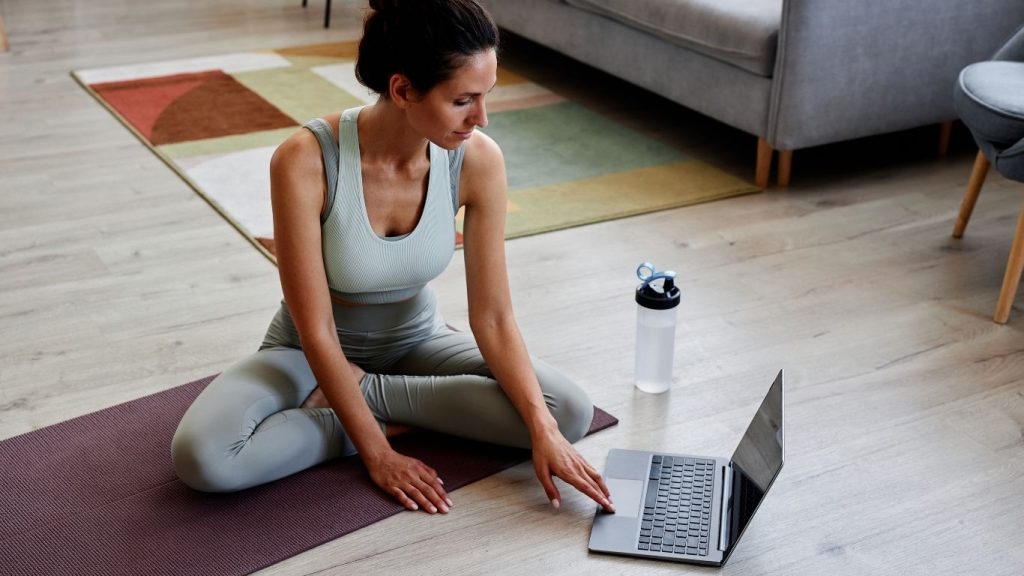
If you’ve been curious about somatics, you may have wondered whether it’s something you can genuinely learn online. Yes – but the way you learn matters.

Neck tension is often treated as a purely physical problem where you’re advised to stretch the muscles, strengthen the area, improve your posture and move on. But what if your nervous system is also part of the picture?

Daily somatic practice is an opportunity to pause, notice and reconnect with your physical experience. Through gentle movement, breath, interoception and body awareness, we can become more familiar with the signals our body is sending us.

Not all stress responses look like panic, obvious anxiety or complete shutdown. Sometimes, a person can appear to be functioning perfectly well while feeling disconnected from themselves internally.
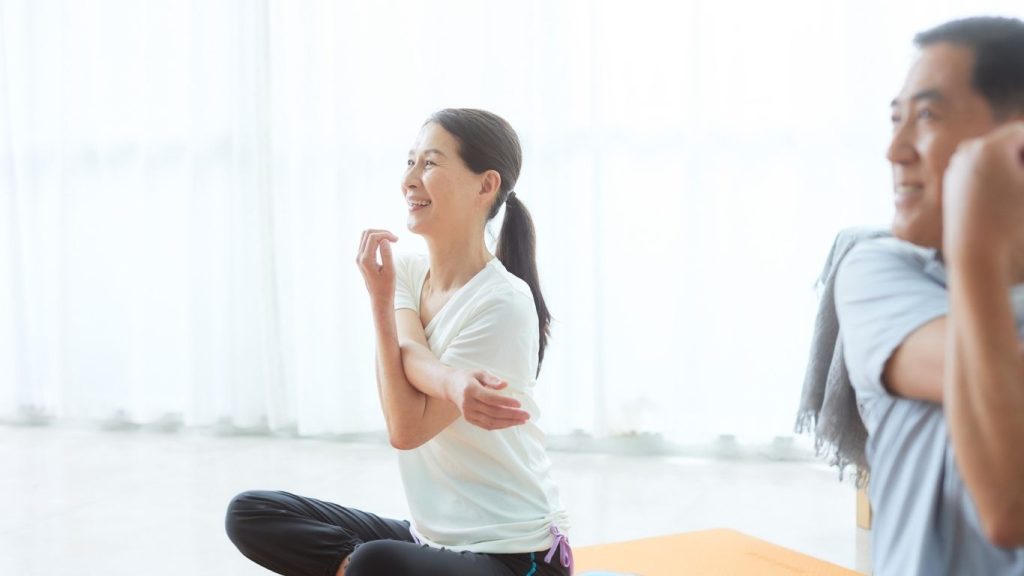
When it comes to movement, more is not always better. We often measure physical activity by quantity: how many steps we took, how far we ran, how much weight we lifted, or how many workouts we completed. But while movement volume certainly has value, there is another factor that deserves just as much attention: movement quality.
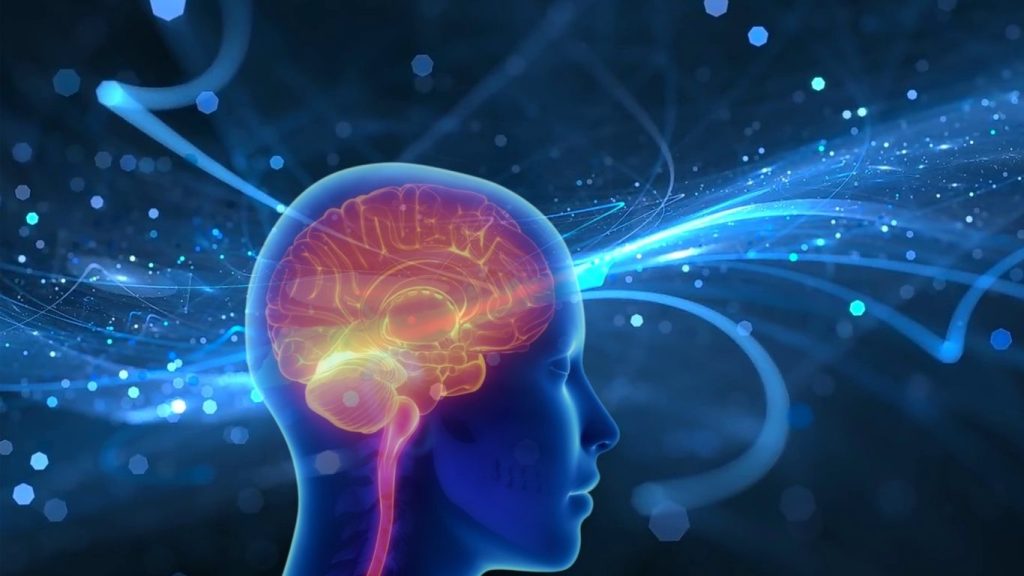
Alpha and theta brainwaves are both associated with relaxed and inward-focused states, but they serve different roles. Discover the differences between alpha and theta and why nervous system flexibility may matter more than reaching a particular brainwave state.

Anxiety isn’t only experienced in the mind. It can affect breathing, muscle tension, heart rate and movement. Learn how somatic movement for anxiety can help you notice these physical responses and develop greater body awareness.

Most of us have experienced days when even a small inconvenience feels overwhelming, while on other days we seem able to handle almost anything. The difference isn’t simply willpower. It’s often a reflection of where your nervous system is operating.