Have you ever stretched regularly but still felt tight, stiff, or disconnected from your body? Perhaps you can touch your toes one day but feel restricted the next. Or maybe you notice that stress shows up as tension in your shoulders, jaw, hips, or back, and no amount of stretching seems to fully release it.
This is because the body is not just a collection of muscles that need to be lengthened. It is a complex communication system involving the brain, nervous system, muscles, fascia, breath, and our ongoing experiences.
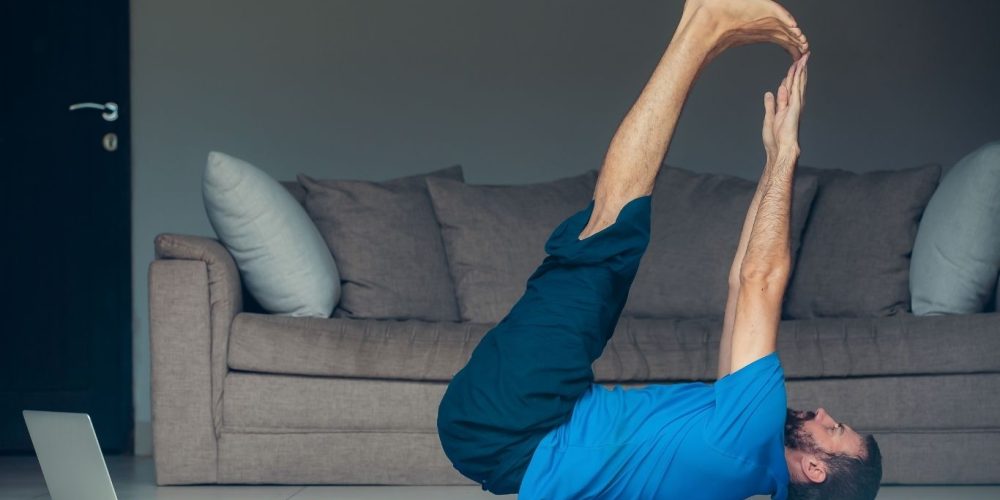
Traditional stretching often focuses on changing the physical structure of the body, increasing flexibility, improving range of motion, or releasing tight muscles and, while these approaches can be valuable, they do not always address why the body became tense or restricted in the first place.
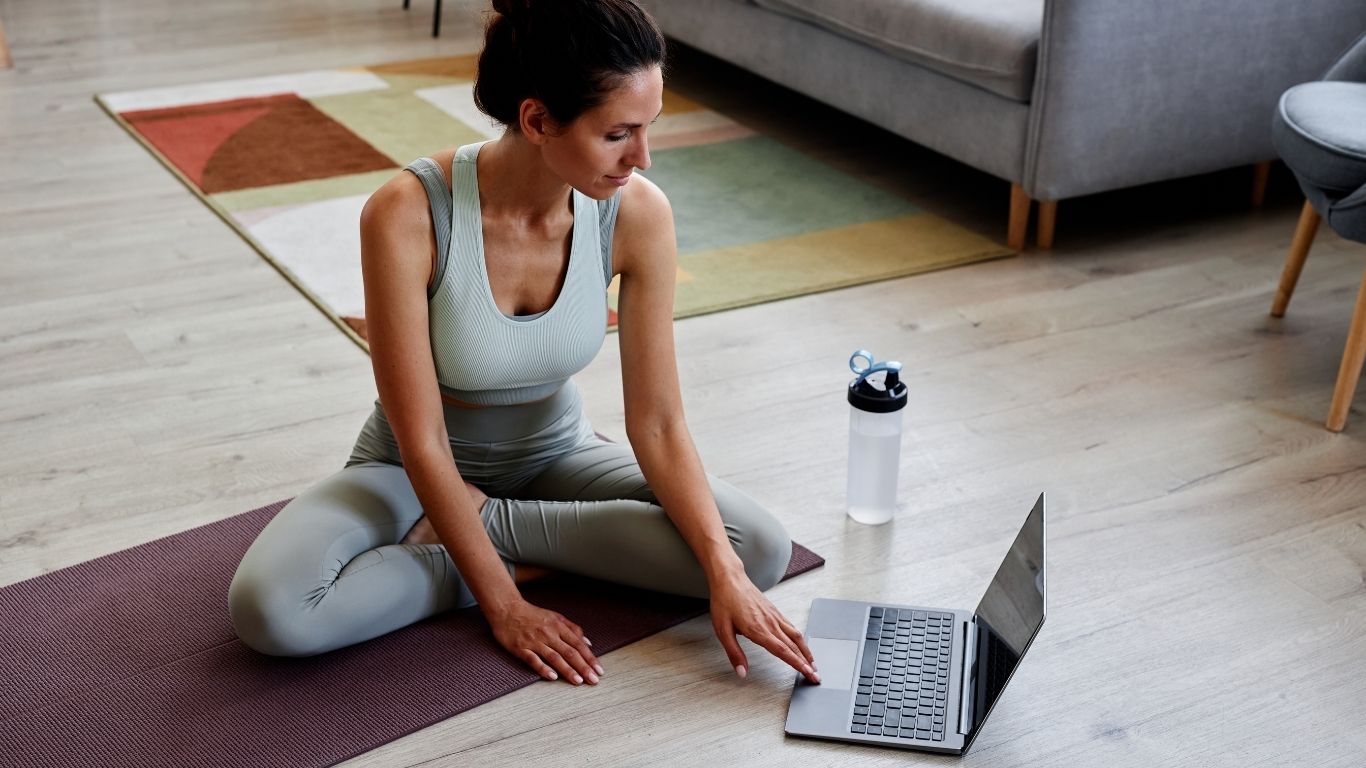
Somatic stretching takes a different approach. Instead of forcing the body to change, it invites you to listen.
Through slow, mindful movements, awareness, and breath, somatic stretching helps rebuild the connection between the brain and body. It teaches the nervous system to recognise new information about movement, sensation, and safety.
This approach is based on a simple idea: the body changes when it feels safe enough to change.
By developing greater body awareness, we can begin to understand habitual patterns of tension, improve movement efficiency, and create a more responsive relationship with our own physiology.
What Is Somatic Stretching?
Somatic stretching is a form of mindful movement that combines gentle stretching with body awareness, breath, and nervous system regulation. Unlike traditional stretching, which often focuses on increasing flexibility or lengthening muscles, somatic stretching focuses on improving the relationship between the brain and the body.
The word somatic means ‘relating to the body as experienced from within’. Rather than forcing the body into a position, somatic stretching encourages you to slow down, notice sensations, and allow movement to emerge through awareness.
The body is not simply a mechanical structure of muscles and joints. It is a living sensory system constantly communicating with the brain through movement, posture, breath, and internal sensations.
Why Does Somatic Stretching Matter?
Many people experience chronic muscle tension, stiffness, poor posture, or recurring discomfort despite regularly stretching or exercising. Often, the issue is not simply a lack of flexibility. It may involve the nervous system’s relationship with movement.
The nervous system constantly adjusts muscle tone based on perceived safety, stress, and previous experiences. When the body remains in a heightened stress state, muscles may stay partially contracted as part of a protective response.
Somatic stretching teaches the nervous system to recognise safety through slow, controlled movement and increased awareness.
This makes it particularly relevant for people experiencing:
- Chronic stress and tension
- Reduced body awareness
- Movement limitations
- Persistent muscular tightness
- Difficulty relaxing
- Disconnection from bodily sensations
Research into stretching and mindful movement suggests that stretching is not only a mechanical process affecting muscles and connective tissue, but also involves neurological processes involving sensory feedback, proprioception, and motor control.
How Does Somatic Stretching Work?
Somatic stretching works through three key mechanisms: proprioception, interoception, and neuroplasticity.
1. Improving Proprioception
Proprioception is the body’s ability to sense its position and movement in space. This internal GPS system relies on sensory receptors within muscles, joints, tendons, and fascia.
Slow, intentional movements provide the brain with detailed information about how the body is moving. Over time, this can improve body awareness, co-ordination, and movement efficiency.
Rather than overriding sensations, somatic stretching strengthens the communication pathway between the body and brain.
2. Supporting Nervous System Regulation
Movement and breathing influence the autonomic nervous system, which is the system responsible for shifting between activation and recovery.
Fast, forceful stretching can sometimes create more tension when the nervous system perceives a threat. Somatic stretching uses slow movements, gentle ranges of motion, and awareness to create a sense of safety.
Research examining stretching intensity has explored how different approaches influence relaxation, brain activity, and autonomic responses, highlighting the connection between movement, neural activity, and regulation.
3. Creating New Movement Patterns Through Neuroplasticity
The brain adapts based on repeated experiences. This process, known as neuroplasticity, means movement patterns are not fixed.
When we repeatedly practise slow, conscious movement, we give the nervous system new information. Over time, inefficient patterns of tension, guarding, or restricted movement can begin to change.
This is why somatic stretching is not simply about becoming more flexible. It is about becoming more connected.
How to Practise Somatic Stretching
A simple somatic stretching practice follows a few principles:
Move Slowly
Slow movement increases sensory feedback. The goal is not to achieve the deepest stretch, but to improve awareness of what is happening inside the body.
Stay Within a Comfortable Range
Somatic stretching should feel exploratory rather than forceful. Avoid pushing into pain or discomfort.
Follow Sensation
Instead of asking, “How far can I stretch?” ask:
- What do I notice?
- Where does my body feel restricted?
- Does my breathing change?
- Can I soften unnecessary tension?
Combine Movement With Breath
Breath provides continuous feedback to the nervous system. Gentle breathing combined with movement helps create a state of calm awareness and improves mind-body connection.
Somatic Stretching and Functional Somatics
Somatic stretching is one element of a broader approach to functional somatics, using movement, awareness, and nervous system education to restore the body’s ability to regulate and adapt.
The goal is not simply flexibility. It is developing a deeper relationship with your body, improving nervous system literacy, and learning how to influence your own state through movement.
Our functional somatic courses combine neuroscience, movement science, breath awareness, and embodied learning to help people understand how the body and nervous system work together.
Whether you are looking to improve your own wellbeing or develop skills to support others, learning somatic movement principles provides a practical pathway toward greater body awareness, resilience, and regulation.
Scientific Studies and References
Sharman, M. J., Cresswell, A. G., & Riek, S. (2006).
Proprioceptive neuromuscular facilitation stretching: mechanisms and clinical implications. Sports Medicine, 36(11), 929–939.
https://doi.org/10.2165/00007256-200636110-00002
Takeuchi, K., et al. (2021).
Effects of two different stretching techniques on proprioception and hamstring flexibility: a pilot study. Clinical and Experimental Medicine.
https://pubmed.ncbi.nlm.nih.gov/34231374/
Saito, A., & Mizuno, T. (2023).
Effects of patterned electrical sensory nerve stimulation and static stretching on joint range of motion and passive torque. Frontiers in Neuroscience.
https://doi.org/10.3389/fnins.2023.1205602
Wong, A., et al. (2023).
The Impact of Stretching Intensities on Neural and Autonomic Responses: Implications for Relaxation.
Frontiers in Neuroscience.
https://pmc.ncbi.nlm.nih.gov/articles/PMC10422553/
Proske, U., & Gandevia, S. C. (2012).
The proprioceptive senses: their roles in signaling body shape, body position and movement, and muscle force. Physiological Reviews, 92(4), 1651–1697.