Have you ever closed your eyes and still known exactly where your hands or feet were? Or noticed how you can walk without constantly watching your legs move? That ability comes from something called proprioception.
Proprioception is one of the body’s most important internal awareness systems, yet many people have never heard of it. It plays a major role in balance, co-ordination, movement, nervous system regulation, and body awareness. Understanding proprioception can also help explain why stress, injury, trauma, or chronic tension can leave the body feeling “off.”
What Is Proprioception?
Proprioception is your body’s ability to sense its position, movement, and orientation in space. It is sometimes called your “sixth sense” because it operates automatically in the background without conscious effort.
Special sensory receptors located in muscles, joints, tendons, and connective tissues constantly send information to the brain about where the body is and how it is moving. Your nervous system then uses this information to co-ordinate movement, maintain posture, and help you interact with your environment safely.
For example, proprioception is what allows you to:
- Touch your nose with your eyes closed
- Walk up stairs without staring at your feet
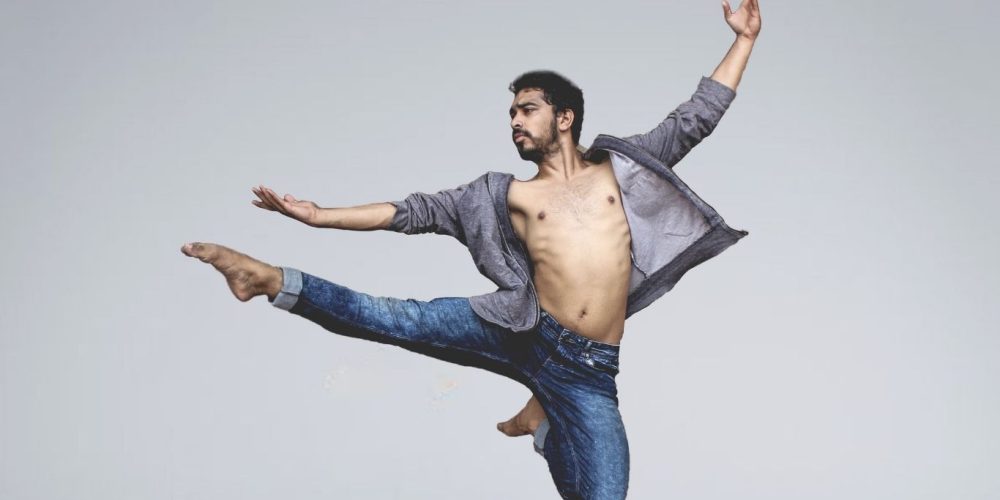
- Balance on one leg
- Judge how much force to use when picking something up
- Move smoothly without consciously controlling every muscle
Without proprioception, movement would feel awkward, disconnected, and effortful.
Why Proprioception Matters
Proprioception is deeply connected to body awareness and nervous system function. A healthy proprioceptive system helps create a sense of stability, grounding, and co-ordination.
When proprioception is impaired or dysregulated, people may experience:
- Clumsiness or poor coordination
- Feeling disconnected from the body
- Difficulty balancing
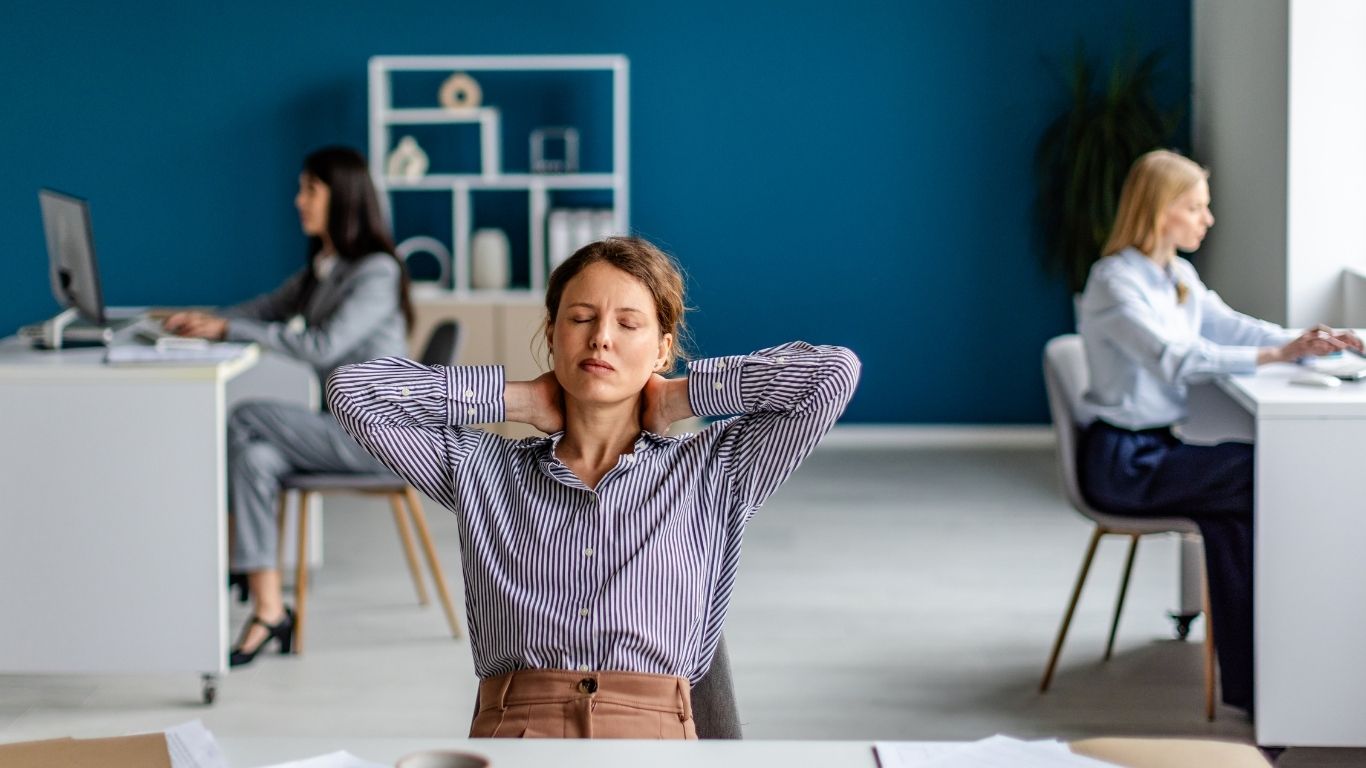
- Chronic tension or stiffness
- Reduced body awareness
- Increased stress or nervous system overwhelm
Stress and trauma can also influence proprioceptive awareness. When the nervous system is stuck in survival states like fight, flight, or freeze, attention often shifts away from subtle body sensations. Over time, people may become less connected to how their body feels or moves.
This is one reason many somatic practices focus on slow movement and sensory awareness. Rebuilding proprioceptive awareness can help restore a stronger sense of connection between the brain and body.
How Proprioception Works
Your body contains specialised sensory receptors called proprioceptors. These receptors detect information such as muscle stretch, joint position, pressure, and movement speed.
The brain continuously receives and processes this information in real time. This creates an internal map of the body that helps coordinate movement automatically.
Proprioception works closely with two other important sensory systems:
- The vestibular system, which helps with balance and spatial orientation
- Interoception, which helps you sense internal bodily states like heartbeat, breathing, and hunger
Together, these systems contribute to overall body awareness and nervous system regulation.
Signs Your Proprioception May Need Support
Many people only notice proprioception when it is disrupted. Signs may include:
- Frequently bumping into objects
- Poor posture or co-ordination
- Feeling physically disconnected or “numb”
- Difficulty judging movement or force
- Feeling ungrounded or unstable
- Chronic muscular tension
These symptoms can sometimes appear after injury, prolonged stress, burnout, or periods of nervous system dysregulation.
Practical Ways to Improve Proprioception
The good news is that proprioception can be trained and strengthened through regular practice.
Simple activities that may help include:
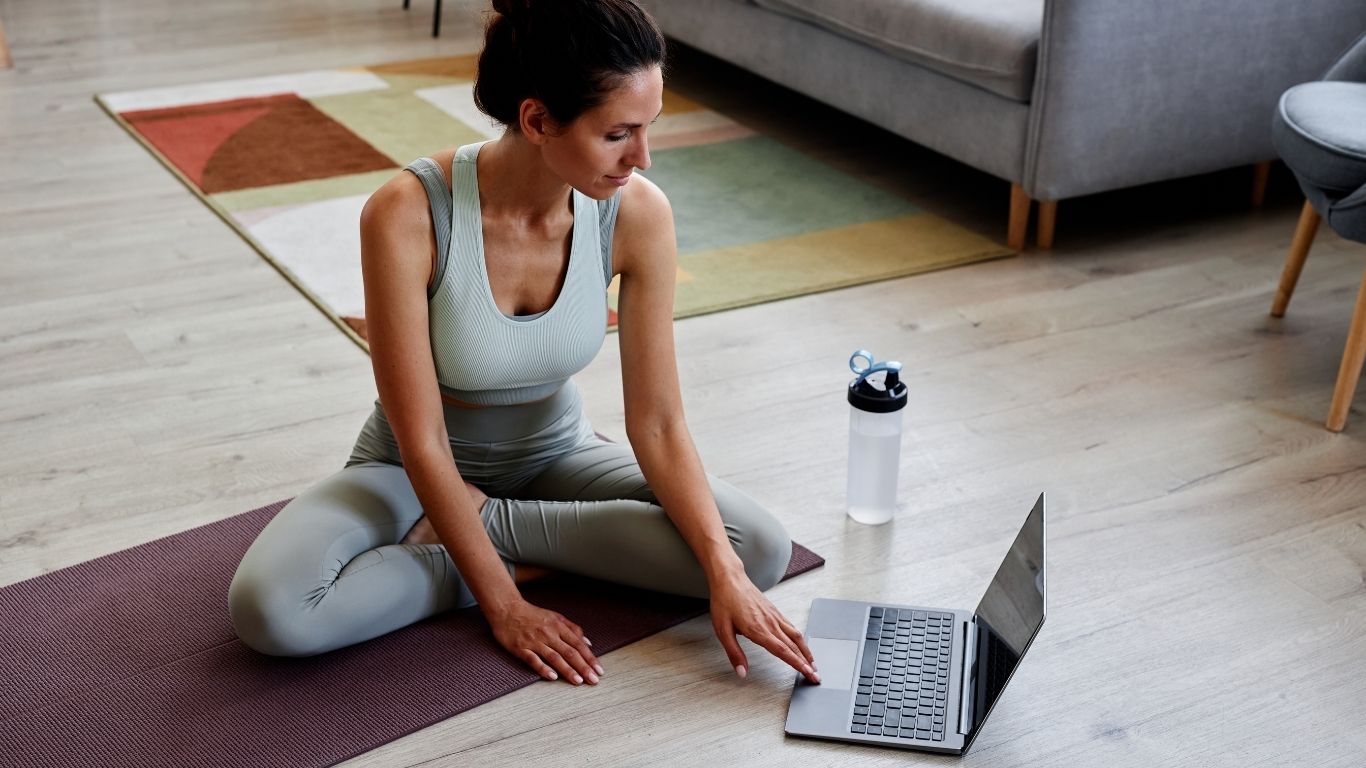
- Slow mindful movement
- Somatic exercises
- Balance practices
- Walking barefoot on safe surfaces
- Gentle stretching
- Yoga or tai chi
- Cross-body movement exercises
- Resistance training with controlled movement
The key is awareness. Moving slowly and intentionally gives the nervous system more opportunity to process sensory information from the body.
Proprioception and Nervous System Regulation
Proprioceptive input can also have a calming effect on the nervous system. Activities involving steady pressure, controlled movement, or grounding sensations often help people feel safer and more connected in their bodies.
This is why body awareness practices are commonly used in somatic work, mindfulness training, and nervous system regulation approaches.
At BodyLogic.online, we explore how movement, meditation, body awareness, and nervous system education work together to support mind-body healing. Understanding proprioception is an important step toward building a stronger connection with your body and learning how to regulate stress more effectively.