
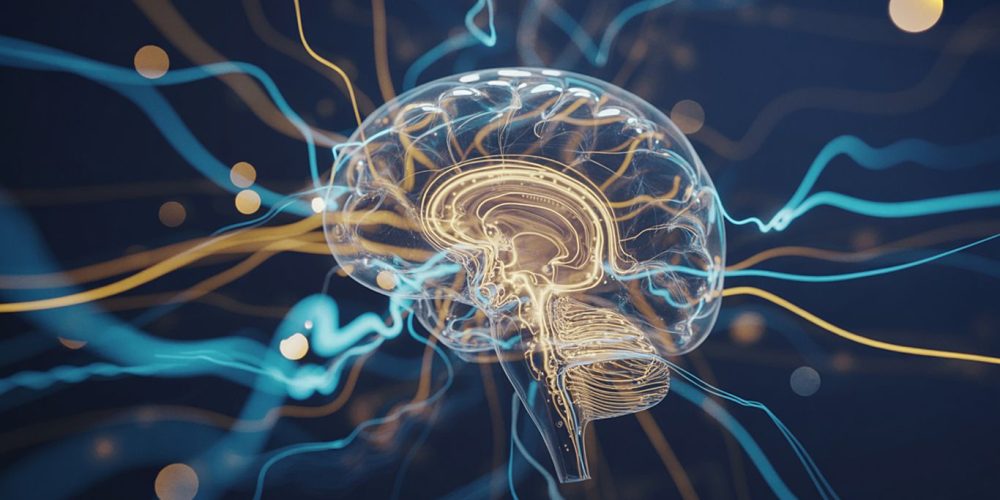
The idea that the mind and body influence each other has been recognised for centuries. However, modern neuroscience and physiology now provide strong scientific evidence explaining how this connection works.
The mind-body connection describes the complex communication between the brain, nervous system, hormones, and immune system. Rather than operating independently, these systems constantly exchange signals that influence both mental and physical health.
Understanding the science behind this connection helps explain why emotions, stress, and psychological experiences can produce measurable changes in the body.
The brain as the control centre
At the core of the mind-body relationship is the brain. The brain interprets thoughts, emotions, and sensory information and then sends signals throughout the body via the nervous system.
When the brain perceives stress, for example, it activates the sympathetic nervous system, initiating the body’s “fight-or-flight” response. This leads to physiological changes such as:
- increased heart rate
- elevated cortisol levels
- faster breathing
- muscle tension
These responses are useful in short bursts but can become harmful if stress becomes chronic.
The role of the nervous system
The autonomic nervous system plays a major role in the mind-body connection. It has two primary branches:
- The sympathetic nervous system, which prepares the body for action.
- The parasympathetic nervous system, which promotes rest, digestion, and recovery.
Healthy regulation between these systems is essential for maintaining balance in the body. Practices such as breathing exercises, meditation, and gentle movement can help shift the body back toward parasympathetic activity.
Emotions and the body
Scientific research shows that emotions can produce measurable physiological effects.
For example, studies in psychoneuroimmunology demonstrate that psychological states influence immune function, inflammation, and hormonal activity. Chronic stress has been associated with increased inflammation, which is linked to a range of health conditions.
Similarly, emotional states can influence muscle tension, digestion, sleep patterns, and cardiovascular function.
This is why emotional wellbeing often has a direct impact on physical health.
The role of neuroplasticity
Another key scientific concept involved in the mind-body connection is neuroplasticity, the brain’s ability to change and adapt through experience.
Practices such as meditation, movement, and mindfulness can strengthen neural pathways associated with calmness, attention, and emotional regulation.
Over time, these practices can influence both mental and physical wellbeing by reshaping how the brain processes stress and sensory information.
Why the science matters
Understanding the science behind the mind-body connection changes the way we think about health.
Mental experiences are not separate from physical processes. Instead, the brain, nervous system, and body function as an integrated system.
When we learn to support this system through awareness, movement, and relaxation practices, we can positively influence both psychological and physical wellbeing.
Frequently Asked Questions
What is the science behind the mind-body connection?
The science behind the mind-body connection involves neuroscience, physiology, and psychoneuroimmunology, which study how thoughts and emotions influence the nervous system, hormones, and immune function.
Can stress affect the body physically?
Yes. Stress activates the sympathetic nervous system and releases hormones such as cortisol, which can influence heart rate, inflammation, digestion, and sleep.
What role does the nervous system play?
The autonomic nervous system regulates communication between the brain and body, controlling stress responses, relaxation, and many involuntary bodily functions.