
Nervous System Regulation vs Relaxation: What’s the Difference?
Understanding the difference between nervous system regulation and relaxation can change how you approach stress entirely. So let’s explore a little further…

Understanding the difference between nervous system regulation and relaxation can change how you approach stress entirely. So let’s explore a little further…
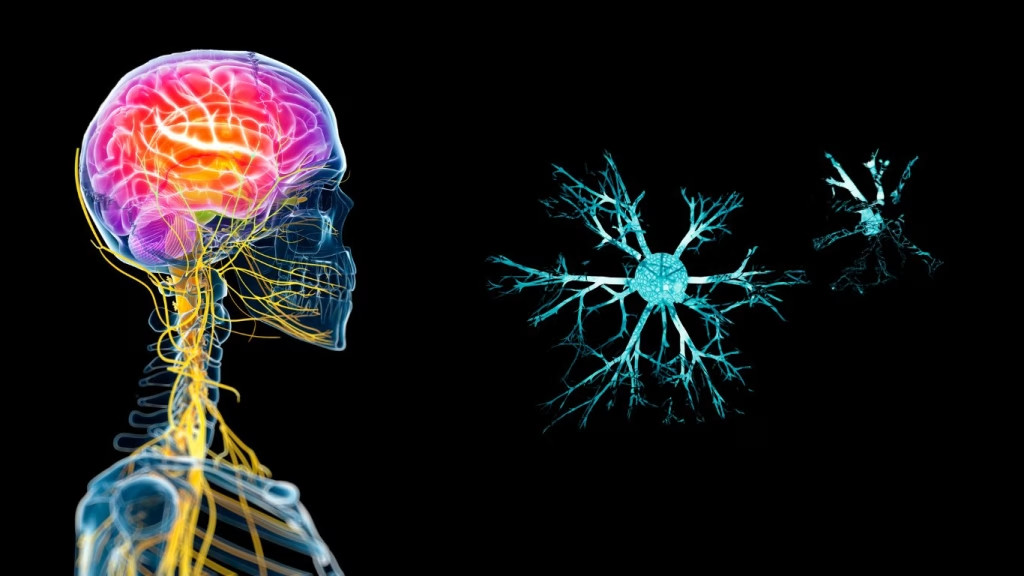
There’s been a lot of talk about the vagus nerve and vagal tone in recent times. So let’s take a quick dive into what vagal tone is and how you can help support your nervous system’s transition between activation and calm.

You’re exhausted…but your body feels alert. Your mind might want sleep, yet your nervous system feels wired. You lie in bed

If you’ve ever felt tight shoulders that never soften, a jaw that aches, or a nervous system that feels permanently “on”, you’ve experienced stored stress in the body. But why does this happen?

Developed by neuroscientist Stephen Porges, polyvagal theory offers a powerful lens for understanding why we react the way we do under stress, and how we can gently guide ourselves back to safety and connection.

While wellbeing practitioners, we’re trained to help people feel better, move better, think clearer, and live with more ease, many soon notice a pattern: clients understand what they need to change, but their bodies don’t always follow.
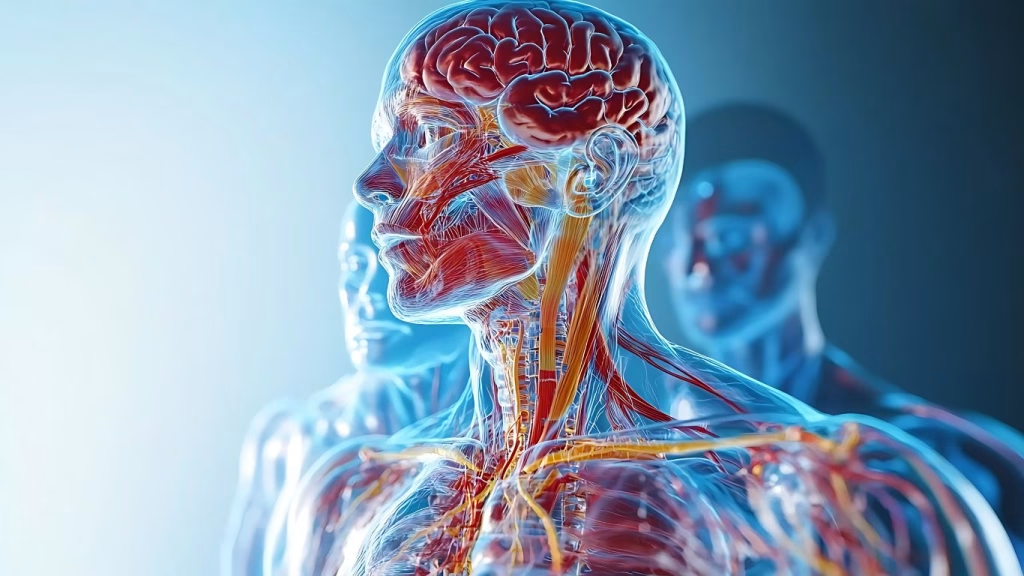
If you work in wellness, you’ve probably noticed that fascia and the lymphatic system are suddenly everywhere. Social feeds are full of reels promising emotional release through myofascial work or “detox” via lymphatic drainage.

As we age, high-impact workouts or strenuous routines aren’t always ideal. Fortunately, several exercise styles offer gentle, accessible, and effective ways to improve strength, balance, flexibility, and wellbeing, no matter your age or fitness level.
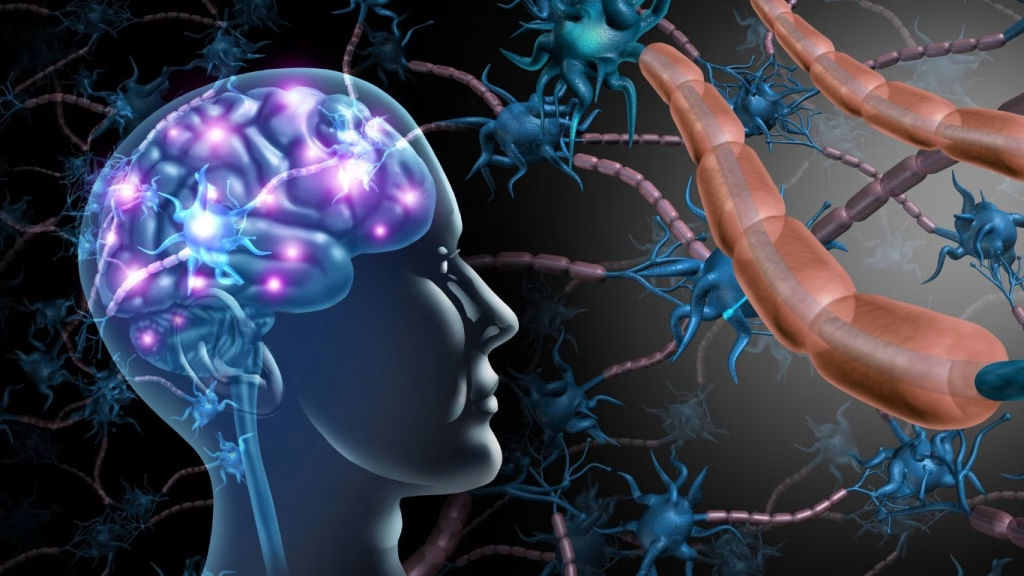
Sometimes, stress feels ever-present. Yet, within our bodies lies an intricate system designed to counterbalance this stress and promote relaxation and healing. This system is known as the parasympathetic nervous system.

In a fast-paced world where we’re often disconnected from our own bodies, somatic movement offers a gentle invitation to slow down, tune in, and reconnect.