
When people hear the words mindfulness, meditation, or somatic practice, they often think of ancient traditions or wellness trends. But these practices are no longer supported only by personal experience. They’re backed by an enormous and growing body of scientific research.
In fact, thousands of peer-reviewed studies and hundreds of systematic reviews and meta-analyses have investigated how mindfulness, meditation, breathwork, and body-based practices affect the brain, nervous system, and overall wellbeing. And the findings consistently show that these approaches can improve both mental and physical health.
What Does the Research Show?
Mindfulness and meditation have been studied more extensively than almost any other complementary health practice.
According to the American Psychological Association, reviews of more than 200 studies involving healthy adults found that mindfulness significantly reduces stress, anxiety, and symptoms of depression. Benefits have also been demonstrated in people living with chronic pain, insomnia, and emotional distress.
And the research has become increasingly rigorous. Over the past two decades, the number of randomised controlled trials, which are considered the gold standard of clinical research, has grown dramatically. These studies have shown positive outcomes for conditions including chronic pain, post-traumatic stress disorder (PTSD), anxiety disorders, and burnout.
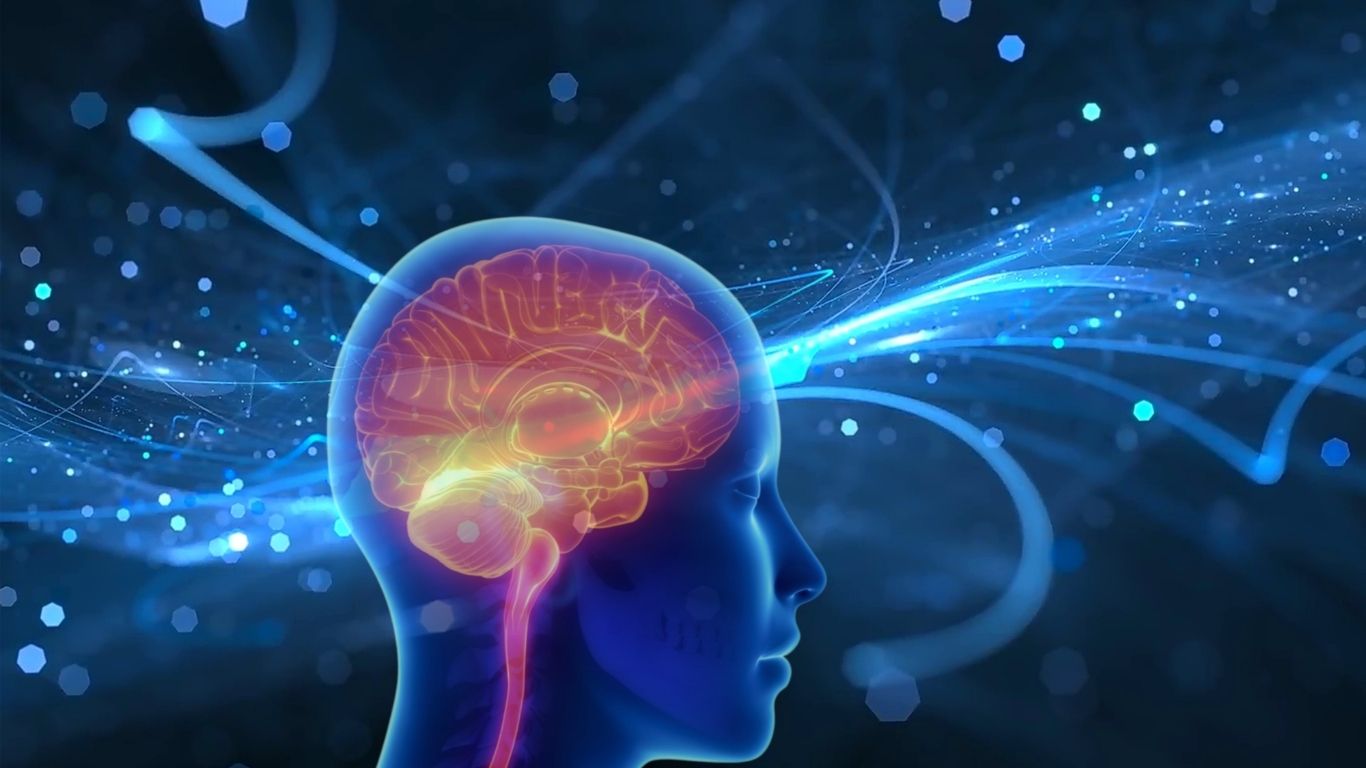
Perhaps even more remarkably, brain imaging studies reveal that regular meditation can produce measurable changes in the brain itself.
Researchers have observed reduced activity in the amygdala, the brain’s threat detection centre, alongside increased activity in the prefrontal cortex, which is responsible for decision-making, attention, and emotional regulation. This demonstrates the brain’s capacity for neuroplasticity, which is its ability to change through experience.
Beyond Meditation: The Rise of Somatic Practices
While meditation has received the greatest research attention, interest in somatic practices has grown rapidly.
Somatic approaches emphasise body awareness, mindful movement, breath, and interoception, which is the ability to sense internal bodily signals. Rather than working only through thoughts, these practices help regulate the nervous system from the “bottom up” by changing how the body experiences stress.
Research into mindful movement, including yoga, dance therapy, Pilates, and functional somatic movement, consistently reports improvements in:
- Body awareness
- Emotional regulation
- Stress reduction
- Physical function
- Overall wellbeing
Scientists increasingly recognise that movement combined with awareness has unique benefits that extend beyond traditional exercise.
Breathwork and Nervous System Regulation
Breathwork has also become an important area of scientific investigation.
Controlled breathing directly influences the autonomic nervous system by stimulating the vagus nerve and promoting parasympathetic activity in the form of the body’s “rest and restore” response. Studies have shown that slow, diaphragmatic breathing can reduce stress hormones, improve heart rate variability, and support emotional regulation.
Because breathing is one of the few automatic functions we can consciously influence, it provides a powerful bridge between the mind and body.
Understanding the Body From the Inside
One of the newest areas of research focuses on interoception, which is defined as our ability to notice sensations arising from inside the body.
A recent meta-analysis of 29 randomised controlled trials, published in Nature, found that both mindfulness-based programs and body-based approaches significantly improved interoceptive awareness. This growing evidence helps explain why somatic practices can improve emotional resilience, self-awareness, and nervous system regulation.
Rather than viewing healing as something that happens only in the mind, modern neuroscience increasingly supports the idea that awareness of the body plays a vital role in long-term wellbeing.
Bringing Science Into Everyday Practice
While no single practice is a cure-all, the collective research points in the same direction: consistent mindfulness, meditation, breathwork, and somatic movement can positively influence how we think, feel, and function.
These evidence-informed approaches are integrated into functional somatics, combining mindful movement, nervous system education, breathwork, and body awareness to help people reconnect with themselves in practical, sustainable ways.
Science is continuing to uncover what many traditional practices have suggested for centuries; the body and mind are deeply connected, and learning to work with both may be one of the most powerful tools we have for improving health and resilience.
Scientific References
American Psychological Association. (2019). Mindfulness meditation: A research-proven way to reduce stress. Retrieved from https://www.apa.org/topics/mindfulness/meditation
Goldberg, S. B., Tucker, R. P., Greene, P. A., Davidson, R. J., Wampold, B. E., Kearney, D. J., & Simpson, T. L. (2018). Mindfulness-based interventions for psychiatric disorders: A systematic review and meta-analysis. Clinical Psychology Review, 59, 52–60. https://doi.org/10.1016/j.cpr.2017.10.011
Lazar, S. W., Kerr, C. E., Wasserman, R. H., et al. (2005). Meditation experience is associated with increased cortical thickness. NeuroReport, 16(17), 1893–1897. https://doi.org/10.1097/01.wnr.0000186598.66243.19
Farb, N. A. S., Daubenmier, J., Price, C. J., Gard, T., Kerr, C., Dunn, B. D., Klein, A. C., Paulus, M. P., & Mehling, W. E. (2015). Interoception, contemplative practice, and health. Frontiers in Psychology, 6, 763. https://doi.org/10.3389/fpsyg.2015.00763
Schmalzl, L., Powers, C., & Henje Blom, E. (2015). Neurophysiological and neurocognitive mechanisms underlying the effects of yoga-based practices: Towards a comprehensive theoretical framework. Frontiers in Human Neuroscience, 9, 235. https://doi.org/10.3389/fnhum.2015.00235