
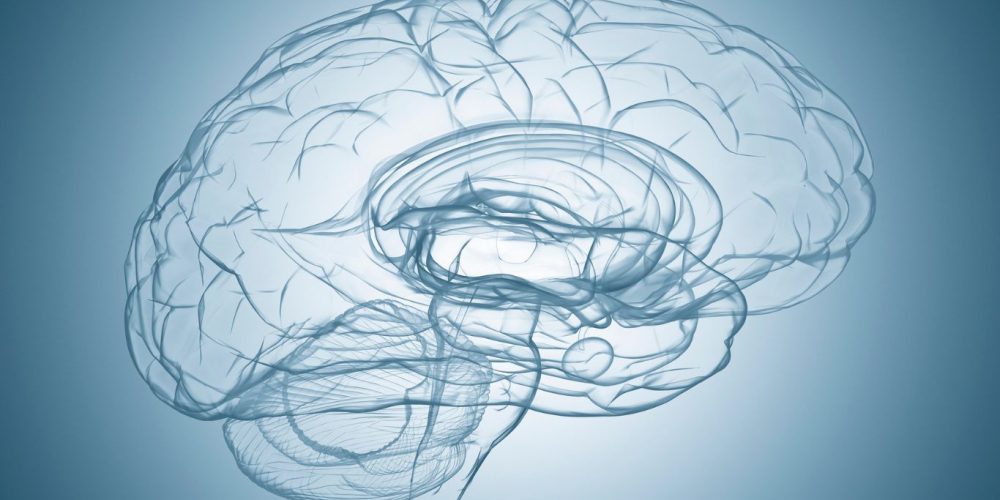
If you’ve ever noticed your heart rate increase before a stressful situation, or tension building in your body during a difficult moment, you’ve already experienced the connection between the nervous system and emotions.
These responses aren’t random, they’re co-ordinated.
At the centre of the mind-body nervous system relationship is the autonomic nervous system (ANS), which regulates essential processes like breathing, heart rate, digestion, and stress responses. It operates continuously, adjusting your internal state based on what’s happening both around you and within you.
The ANS has two primary branches. The sympathetic system is associated with mobilisation and preparing the body for action, while the parasympathetic system supports recovery and regulation. These systems are constantly interacting, shifting your physiological state moment to moment.
This is where autonomic nervous system stress becomes relevant. When a stressor is perceived, whether physical, emotional, or cognitive, the nervous system initiates a cascade of changes across the body. Hormones are released, muscles prepare for action, and attention narrows.
Importantly, this process is not one-directional. The brain influences the body, but the body also feeds information back to the brain through sensory pathways. This ongoing exchange is central to nervous system regulation science, which shows that emotional experience is shaped as much by the body as it is by the mind.
Seen this way, the nervous system isn’t just part of the mind-body connection—it is the mechanism that makes that connection possible.
Why It Matters: Emotions as Physiological Processes
Understanding this relationship changes how we interpret emotional experience.
Emotions are not just mental states. They are patterns of physiological activity involving the nervous system, endocrine responses, and bodily sensation. Changes in breathing, posture, heart rate, and muscle tone are all part of how emotions are expressed and regulated.
In the short term, these responses are adaptive. They help the body respond to challenge, focus attention, and mobilise energy when needed. However, when activation becomes prolonged, the system can begin to operate outside of its optimal range.
Chronic autonomic nervous system stress has been associated with a range of effects, including increased inflammation, disrupted sleep, reduced immune efficiency, and ongoing muscular tension. It can also influence how quickly someone returns to baseline after stress, shaping overall resilience.
From a behavioural perspective, this may show up as heightened reactivity, difficulty relaxing, or a sense of ongoing pressure in the system. In some cases, the opposite can occur – reduced energy, withdrawal, or disconnection.
This is why the mind body nervous system is so relevant to both physical and emotional health. The state of the nervous system influences not only how the body functions, but also how experiences are processed and interpreted.
How to Apply It: Influencing Nervous System State
The nervous system is responsive to input, which means it can be influenced through relatively simple, consistent practices.
Breathing is one of the more direct entry points. Slower, controlled breathing, particularly with a slightly longer exhale, can support a shift toward parasympathetic activity. This reflects a measurable change in physiological state rather than a purely subjective effect.
Attention also plays a role. Bringing awareness to internal sensations, such as breath, posture, or areas of tension, engages interoceptive processes. Over time, this strengthens the communication between body and brain, which is linked to improved regulation.
Movement provides another pathway. Controlled, intentional movement – especially slower forms – offers the nervous system sensory feedback that supports recalibration. This doesn’t need to be complex; even small, deliberate shifts in position or gentle movement patterns can be effective.
Context matters as well. Environmental cues, predictability, and social interaction all contribute to how the nervous system assesses safety. These factors are continuously processed, often outside of conscious awareness.
From a nervous system regulation science perspective, these inputs work cumulatively. Repeated exposure to regulation-supporting conditions helps the system adapt over time, increasing flexibility and resilience.
How We Do It: Structured Nervous System Training
At Body Logic, these principles are applied in a structured and practical way.
The focus is on working directly with the relationship between the nervous system and emotions, using somatic movement, breath-based techniques, and alpha brainwave meditation. These approaches are designed to provide consistent physiological input that supports nervous system adaptation.
Rather than aiming for short-term relief, the emphasis is on developing regulation as a capacity. This includes improving the ability to shift between states, reducing the impact of stress, and supporting more stable baseline functioning.
Over time, this process draws on neuroplasticity – the nervous system’s ability to reorganise in response to repeated experience. With the right inputs, patterns of chronic activation can shift, and more regulated states become easier to access.
The Body Logic Certified Somatic Release Foundations course brings these elements together in a guided format, combining theory with applied practice. The aim is to make the principles of the mind body nervous system tangible and repeatable.
Final Thought
The connection between mind and body is not abstract. It is mediated through the nervous system in real time.
Emotional experience, physiological response, and cognitive processing are all part of the same integrated system.
Understanding how this system works provides a practical framework for working with stress, regulation, and overall wellbeing, grounded in how the body actually operates.
About us
Body Logic is the most comprehensive, scientifically current, and practitioner-friendly somatic certification available today, blending modern neuroscience with traditional embodied wisdom to create confident, effective practitioners. View our online courses here.