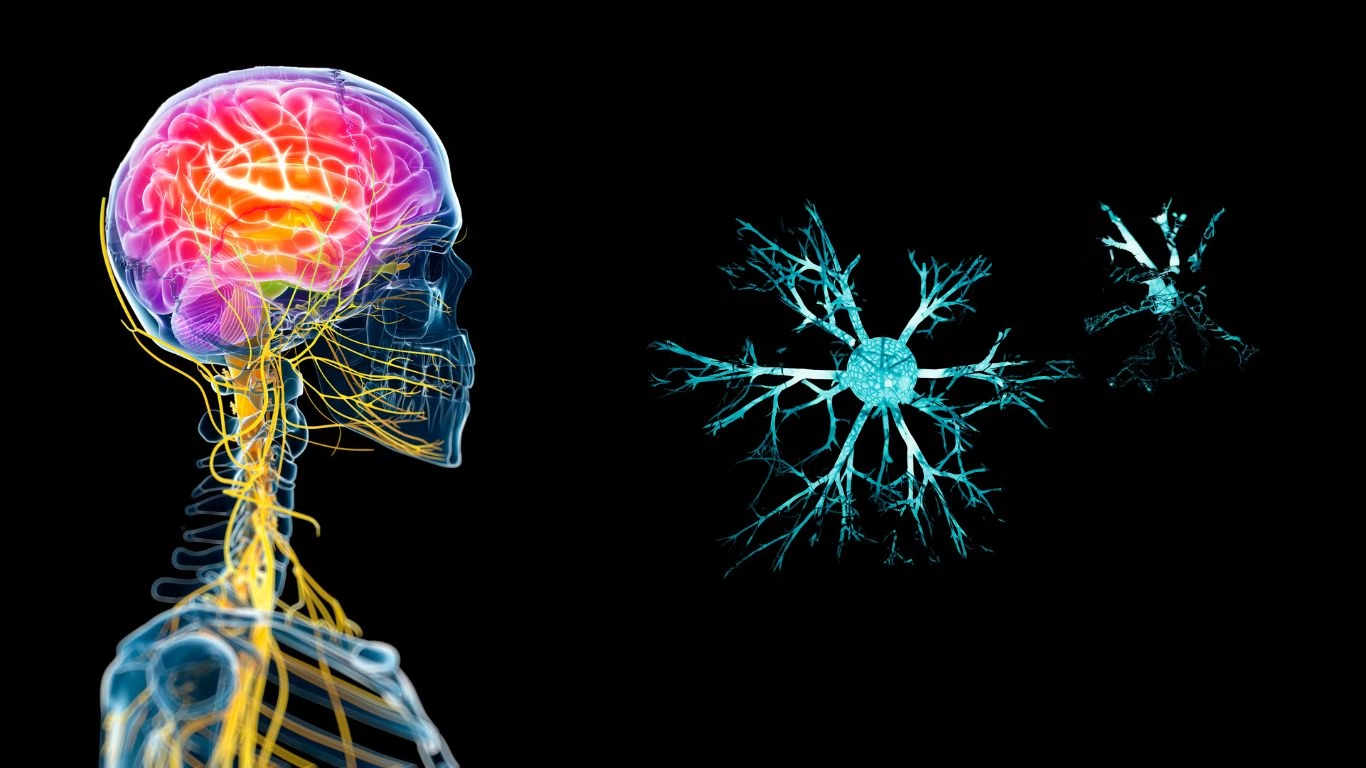

The idea that the mind and body are deeply connected is becoming increasingly recognised in modern science. Rather than existing as separate systems, research now suggests that our thoughts, emotions, and mental states are closely linked with physiological processes throughout the body.
This relationship is often referred to as the mind–body connection, and it plays a significant role in how we experience stress, health, recovery, and overall wellbeing.
Understanding the mind–body connection
The mind–body connection refers to the two-way relationship between mental processes and physical health. In simple terms, what happens in the mind can influence the body, and what happens in the body can influence the mind.
Many people experience this connection in everyday life. For example, stress may cause muscle tension, headaches, digestive discomfort, or fatigue.
Conversely, physical activities such as breathing exercises, gentle movement, or meditation can often create a sense of calm and mental clarity.
Scientific research now shows that these experiences are not just subjective impressions. They are supported by measurable biological mechanisms that link the brain, nervous system, immune system, and endocrine system.
The role of the brain and nervous system
One of the key pathways of the mind–body connection is the nervous system, which acts as the communication network between the brain and the rest of the body.
Recent neuroscience research has shown that brain regions responsible for movement are closely integrated with networks involved in thinking, planning, and regulating bodily functions such as heart rate and blood pressure. This means that areas traditionally associated with “mental” processes are physically connected with systems that regulate bodily physiology.
These findings suggest that the relationship between mind and body is not just conceptual—it is literally built into the structure of the brain.
Stress, emotions, and physical health
Another important area of research examining the mind–body relationship is psychoneuroimmunology, a field that studies how psychological processes influence the nervous system and immune function.
Studies in this area have shown that emotional stress can affect immune activity, hormone levels, and inflammatory responses within the body. Over time, chronic stress may contribute to physical symptoms or illness through these biological pathways.
This helps explain why prolonged stress can lead to physical symptoms such as fatigue, sleep disturbance, digestive problems, and tension-related pain.
Movement, meditation, and mind–body practices
Mind–body practices such as mindfulness meditation, yoga, Tai Chi, and somatic movement are designed to strengthen awareness of the relationship between mental states and bodily sensations.
Scientific reviews of mind–body exercises have found that these practices can influence brain networks related to attention, emotional regulation, and self-awareness. Brain imaging studies also show measurable changes in neural activity after sustained practice.
These findings support the idea that intentionally engaging the body, through breath, movement, or focused attention, can help regulate the nervous system and improve psychological wellbeing.
Why the mind-body connection matters
Understanding the mind–body connection changes how we think about health. Instead of viewing mental and physical health as separate issues, modern research increasingly recognises them as deeply interconnected.
This perspective has practical implications for stress management, emotional wellbeing, and long-term health. Practices that regulate the nervous system, such as mindfulness, breathwork, and gentle movement, may help restore balance across both mental and physical systems.
At Body Logic, this principle sits at the foundation of many mind–body practices. By developing awareness of how thoughts, emotions, and bodily sensations interact, people can begin to work with their nervous system rather than against it.
A growing area of scientific research
The science of the mind–body connection continues to expand across fields including neuroscience, psychology, and integrative medicine. As researchers explore how mental states influence physiological systems, the traditional separation between “mental health” and “physical health” is gradually disappearing.
What is becoming increasingly clear is that the body and mind operate as a single, integrated system. When we support one, we inevitably influence the other.
Frequently asked questions
What is the mind-body connection?
The mind-body connection refers to the relationship between mental processes and physical health. Thoughts, emotions, and stress responses can influence the nervous system, hormone production, immune function, and overall wellbeing.
Is the mind-body connection scientifically proven?
Yes. Research in neuroscience, psychoneuroimmunology, and behavioural medicine shows that psychological states can influence physiological processes such as heart rate, inflammation, immune function, and hormone regulation.
How do emotions affect the body?
Emotions trigger physiological responses through the nervous system. For example, stress can activate the sympathetic nervous system and increase cortisol levels, while relaxation can activate the parasympathetic nervous system and promote recovery.
What are examples of the mind-body connection?
Common examples include:
- Stress causing headaches or digestive issues
- Anxiety increasing heart rate or muscle tension
- Relaxation practices lowering blood pressure
- Meditation improving emotional regulation
How can you improve the mind-body connection?
Practices that strengthen mind-body awareness include:
- mindfulness meditation
- breathwork
- somatic movement
- body awareness exercises
- nervous system regulation practices
These techniques help improve awareness of internal sensations and emotional states.