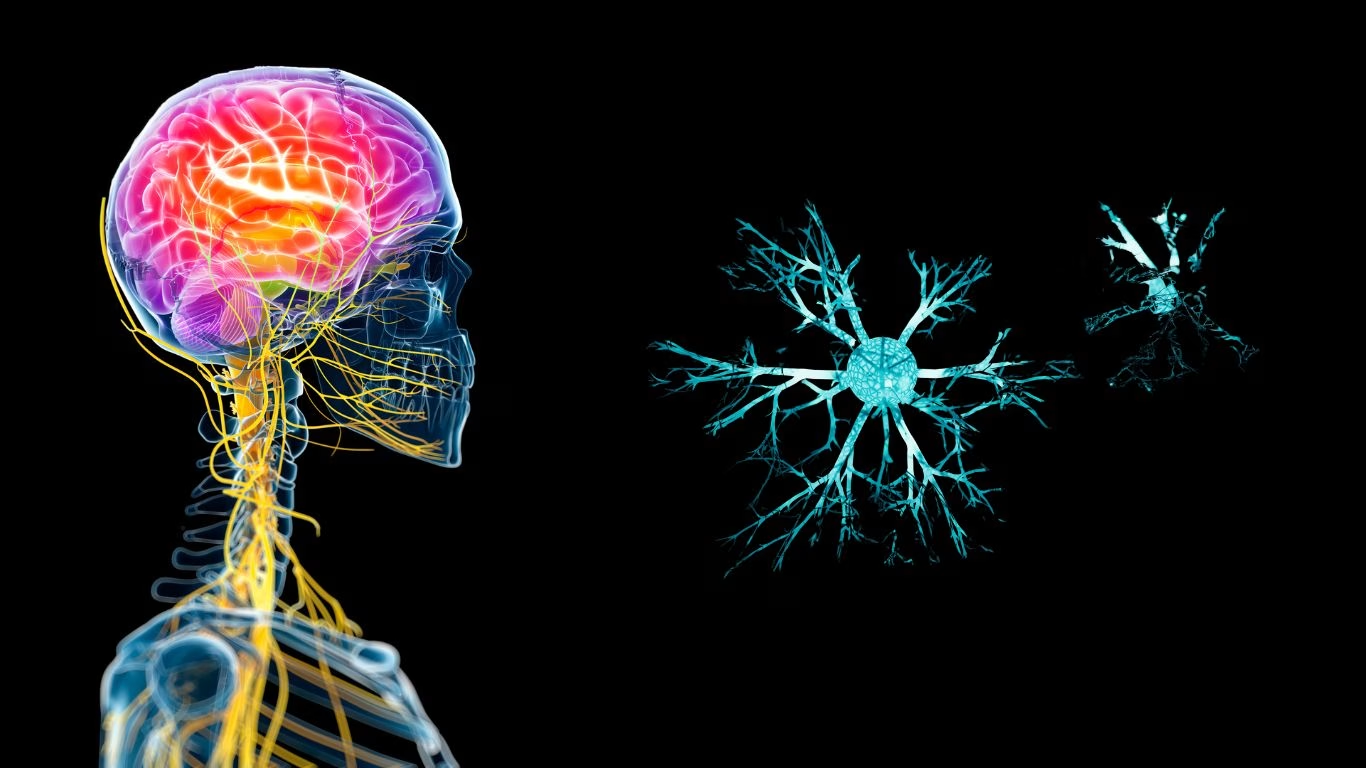

There’s been a lot of talk about the vagus nerve and vagal tone in recent times and rightly so. After all, vagal tone is a critical factor when it comes to how our body responds to perceived threats and releases stress.
So let’s take a quick dive into what vagal tone is and how you can help support your nervous system’s transition between activation and calm.
What is Vagal Tone?
Vagal tone refers to how effectively your vagus nerve supports nervous system regulation.
When vagal tone is healthy, your body transitions smoothly between activation and calm. You can mobilise when needed, settle when safe, and recover from stress efficiently.
When vagal tone is low, recovery becomes harder. You may feel stuck in anxiety, fatigue, or shutdown.
The encouraging news is that vagal tone can be strengthened naturally over time.
What Is the Vagus Nerve?
The vagus nerve is one of the primary communication pathways between the brain and body.
It influences:
- Heart rate
- Digestion
- Inflammation
- Breathing
- Emotional regulation
- Social engagement
Rather than being a simple on/off switch, the vagus nerve supports flexibility.
Strong vagal tone is associated with resilience and the ability to return to balance after stress.
Signs of Low Vagal Tone
Indicators of reduced vagal regulation may include:
- Difficulty recovering after stress
- Chronic anxiety
- Feeling flat or shut down
- Digestive disruption
- Shallow breathing
- Heightened startle response
Low vagal tone doesn’t mean something is broken. It often reflects prolonged stress exposure.
How to Increase Vagal Tone Naturally
Research suggests several effective approaches.
1. Slow Diaphragmatic Breathing
Breathing into the lower ribs and lengthening the exhale stimulates vagal pathways. Consistency is more important than intensity.
2. Vocal Stimulation
Humming, chanting or gentle vocal toning activates branches of the vagus nerve in the throat.
3. Safe Social Connection
Positive face-to-face interaction supports the social engagement system, which is closely linked to vagal function.
4. Gentle Somatic Movement
Oscillating, rhythmic or bilateral movements enhance regulation and integration.
5. Brief, Safe Cold Exposure
Splashing cool water on the face can activate vagal reflexes when used appropriately. These practices are most effective when integrated regularly in small doses.
Why Gradual Progress Matters
The nervous system changes through repetition and safety. Trying to “hack” vagal tone with intense techniques can backfire if capacity is low. Gradual retraining supports long-term resilience.
Over time, improved vagal tone supports:
- Better emotional regulation
- Improved sleep
- Reduced anxiety
Greater adaptability
If you’d like guided vagal regulation practices, download the Somatic Starter Pack.
If you’re interested in learning how to apply polyvagal-informed methods professionally, the Certified Somatic Release Facilitator training explores structured frameworks for strengthening regulation safely.