Restore Movement.
Calm Your Nervous System. Reconnect with Your Spine.
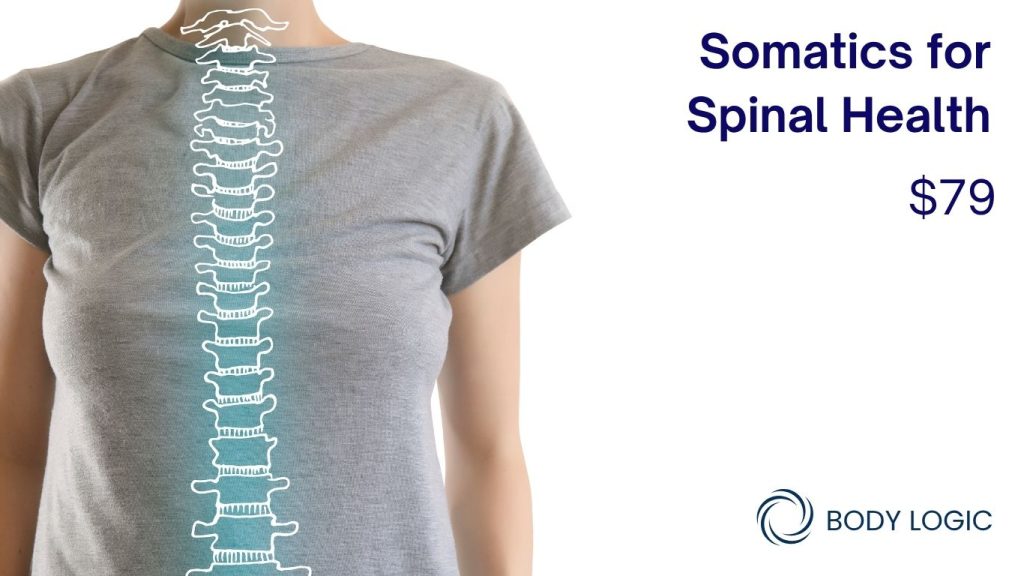
Your spine is designed to move, not simply to hold you upright.
When stress, injury, repetitive movement, or emotional overload become part of daily life, your nervous system naturally develops protective movement patterns.
Over time these patterns can contribute to stiffness, persistent muscle tension, reduced mobility, shallow breathing, and ongoing back or neck discomfort.
This seven-day course introduces a different approach to spinal wellbeing.
Rather than focusing only on stretching, posture correction, or strengthening exercises, you’ll learn how your nervous system influences the way your spine feels, moves, and functions.
You’ll discover how gentle somatic movement, breath awareness, and nervous system regulation can help restore more comfortable, confident movement.
Grounded in modern neuroscience, fascia research, pain science and functional somatics, this practical course gives you simple tools you can begin using immediately, regardless of your age or movement experience.
No previous experience with somatics, yoga, Pilates or meditation is required.
Not quite ready?
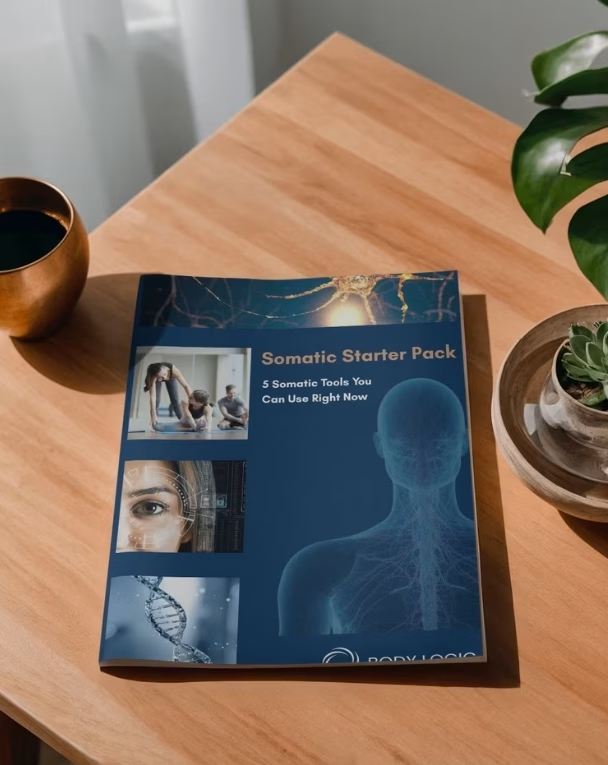
Download Five Somatic Tools You Can Use Right Now
A free, science-backed introduction to nervous system regulation and somatic facilitation; designed for practitioners who want grounded, trauma-informed tools they can use immediately.
What you'll learn...
How to regulate the nervous system in under two minutes
Trauma-informed somatic tools you can use immediately
Practices grounded in neuroscience and polyvagal theory
How embodied awareness supports emotional regulation
Why somatic work begins with safety, not catharsis